
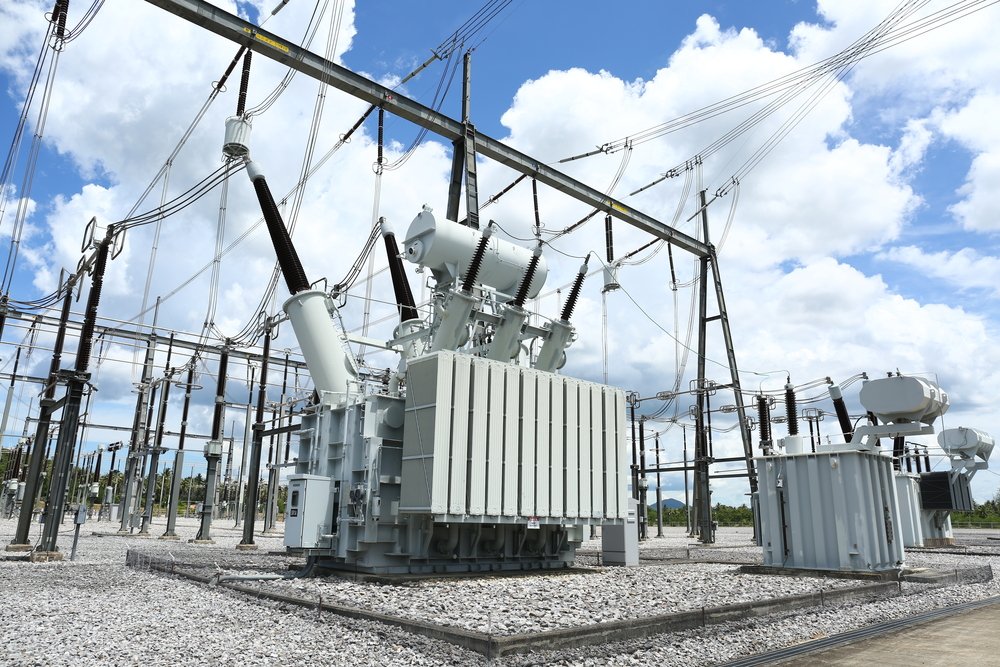
A utility crew measures a day by footage laid and structures set, not by anything the concrete contractor does. That is the correct way to look at the job, and we plan our part the same way. Our job is to put the pads, vaults, encasements, bases and yard slabs in place so the line crews are not waiting on us. When a substation needs a control building floor, a pump station needs a wet well base or a gas facility needs an equipment pad, we show up with forms, steel and a pour plan.
Utility and energy owners in the Permian Basin have a different set of concerns from a developer. They ask about access for heavy equipment, outage windows, easements, work near energized lines and how soon a pad can carry transformers or compressors. We answer those questions in the bid and write the answers into the schedule.
Concrete trade partners work for power providers, water and wastewater operators, pipeline companies and the contractors who build for them. We also support municipal and public works owners who run their own utility systems.
Concrete scopes utility owners ask for
The common requests are equipment pads for transformers, switchgear and compressors, vaults and valve chambers, thrust blocks and encasements, duct bank concrete, building floors and yard paving. A site may need all of them. We often pair equipment pads and machine foundations with electrical duct banks, and we sequence them so conduit stub-ups land where the equipment drawings place them. A pad that sits two inches off a stub-up is a bigger headache than a pad that is a bit rough, so we work from a survey point rather than a tape from the last pour.
Gas and pipeline facilities add their own list: compressor foundations with grout pockets, skid pads that must drain to a sump, and pipe supports that line up with a rack. Those jobs overlap with the work we describe for oil, gas and midstream owners, and the same crews handle them with the same attention to anchor bolt templates and elevations.
How we plan around line crews and outages
We begin with the sequence. Who is on the site, which lines are energized, where the equipment will be delivered and when the shutdown window opens? Our plan fits inside those answers. If the pad has to be poured in a three-day window, we pre-set forms, tie the steel in advance and arrange the ready-mix delivery so there is no gap between trucks.
When a pour is close to energized equipment, we confirm clearances with the owner’s representative and use lower-boom equipment or pump lines to stay away from conductors. If a project asks for hand placement, we plan the extra labor and the longer finish time. We talk through these details at a preconstruction meeting and produce a one-page pour plan that the field crew carries.
Concrete we place and trades we coordinate
Concrete trade partners handle the concrete. That includes forming, reinforcing, embedded items, pouring, finishing and curing. Utilities and earthwork are not ours to self-perform. For trenching, boring, pipe laying, pulling conduit and bulk excavation, we coordinate trade partners and fit their work around ours.
The advantage to the owner is the handoff. We check line and grade after excavation, confirm conduit and ground rod locations before the pour and walk the pad with the electrical contractor. If something is off, we flag it before concrete goes in, when the fix is cheap. Our pages on site utilities and manholes, vaults and structures describe the related work in more detail.
Where utility work takes us
State Highway 302 runs 83.2 miles from US 285 in Reeves County through Kermit, Notrees and West Odessa to Loop 338 and I-20 at Odessa, and much of the utility work in the northern Basin follows that road. Rankin is served by US Highway 67 and State Highways 329 and 349. We mobilize crews along those routes and plan travel, tool storage and concrete deliveries around the distance.
The Permian Basin Generating Station at Monahans began operating in 1948 and grew into a large power plant, and power infrastructure of that scale draws a steady line of related work in Ward County. Ward County is generally level at 2,400 to 2,800 feet, with active windblown sand dunes in its northern areas, so we plan for sand control and for access roads that may need regrading after a windy week. See our US 385 and SH 302 corridor page for the road picture.
Ground, sand and concrete near buried lines
Dune sand does not hold a trench wall, and caliche can be hard enough to slow a trencher. Both affect how we set forms for a pad or vault. In sand we build wider working room and plan for pumping because the truck cannot always get to the pour location. In caliche we ask the excavation partner to confirm depth and over-excavate where the engineer calls for it.
Buried lines are the other constraint. Before we pour near a trench we confirm that the locating work has been done and that the locates are fresh, and we keep a record of those confirmations. Cold nights in winter are less of a problem here than in northern states, but a freeze warning still means blankets for pads that are the only thing keeping a substation online.
Fitting pours into outage windows
Utility schedules are dictated by outages, permits and weather. We hold crews in reserve for planned windows and keep forms and steel staged so the pour can move quickly. Concrete mixes with accelerators or high-early strength are options when the pad has to carry equipment within days.
We tell the owner the real strength gain curve for the mix we plan to use, not the optimistic number, and we confirm cylinder breaks before the equipment arrives. If the weather moves a pour, we reschedule with the plant and update the line crew the same day.
For multi-pad projects we propose a rolling schedule. Forms for pad two go up while pad one cures, and the finishing crew moves between them on a fixed order. That cuts idle time and keeps the owner from paying for mobilization twice. Where a remote location makes ready-mix delivery long, we shorten the haul with retarders in the mix and plan the pour for the cooler hours so the concrete arrives workable.
Send the outage window and the equipment list
Give us the pad drawings, the access plan and the dates the line crews are on site. You get a one-page pour plan showing forms, steel, concrete and cure. Contact Concrete Contractors of Odessa to start.
Common Questions
Can you pour pads near energized equipment?
Yes, with the owner’s clearance requirements and a plan in writing. We use pump lines and low-profile equipment, stay outside of approach distances and add a spotter when needed.
How fast can a transformer pad carry equipment?
That depends on the mix and the weather. High-early mixes can reach the required strength in a few days, and we confirm with cylinder breaks. We never release a pad to equipment on a guess.
Do you coordinate directional boring or trenching?
We coordinate trade partners who do that work. We set the dates, check the results and make sure the concrete scope lines up with the underground work.
What do you do about sand and wind at remote sites?
We keep forms clean until the pour, cure promptly and use windbreaks where we can. Long haul roads may need grading before trucks arrive, and we raise that during planning.
Do you work for contractors and directly for owners?
Both. Some pads come to us through a pipeline or electrical contractor and others come from the owner’s maintenance group. Our bid and schedule format works either way.