
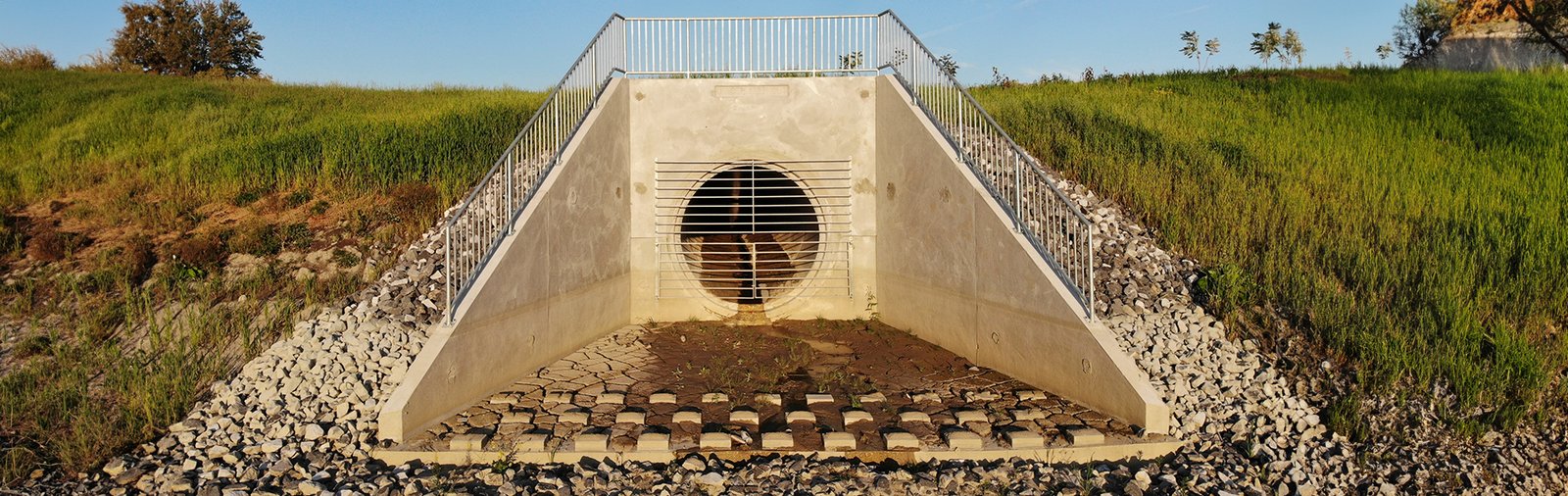
A city street department wants three things from a concrete contractor: drainage that moves water to the inlet, work that survives the winter freeze and summer sun, and paperwork that matches the bid tabulation. Flat country makes the first one harder than it looks. We pour curb, gutter, sidewalks, ramps, drainage structures and paving for municipalities and public agencies across the Odessa area, and we meet the documentation the owner needs.
Public work in this part of Texas runs on a bid process, and the quality of the bid package decides how smooth the job is. Plan sheets, standard details and general conditions come from the owner, and a contractor who reads them closely avoids change orders later. We read them with an eye to the concrete: where the quantity is uncertain, where a grade can pond water, where an ADA ramp cannot meet the slope with the stated landing.
Cities, counties, school districts and special districts hire us for small repairs and larger packages. A single residential block of sidewalk and a large street rehabilitation are both within reach, and the crews and methods carry across.
Public owners we work with
Public works in the Odessa area comes from several kinds of owners. Cities buy street and drainage improvements. Counties buy roads, building additions and fairground repairs. School districts buy walks, bus loops and parking. Hospital and college districts buy parking, plazas and building pads. We also overlap with schools and healthcare owners and with utilities and energy companies who share easements and rights of way with public agencies.
Flat ground and the water problem
Flat terrain is a plus for building, and a trap for drainage. Kermit shows how real the problem gets: recurring flooding on its flat ground led the town to build crown streets that carry water off the pavement. Odessa has similar conditions, with sand, caliche and low-lying areas where a storm leaves standing water for days.
Odessa-Schlemeyer Field climate normals list annual precipitation of 12.93 inches, but that rain tends to come in short, heavy bursts. A gutter that is a quarter inch flat at a ramp can hold water that freezes in January. We treat grade tolerances in public work as drainage questions first and appearance questions second, and we check flow lines with a level and a string line before the forms come off. That approach runs through our curb and gutter crews and through the trench drains and concrete drainage work as well.
Traffic control and public safety
On a city street, the public is a few feet from the work. We use the traffic control plan the owner has approved, with signs, barricades, flaggers and pedestrian detours placed before the crew starts. Concrete trucks queue where the plan allows and not on the through lane. At the end of each shift the work area is closed with fencing and lighting so neighbors and children cannot walk into wet concrete or open forms.
Summer temperatures matter for crews too. The July average high at the airport station is 95.0 degrees F and June is 95.5, with winter lows near 31.6 in January. We schedule around the heat, supply water and shade, and plan for freeze protection when the forecast calls for it.
Public buildings and facilities
Public concrete work includes government and municipal buildings, fire stations, libraries, maintenance yards and recreation facilities. These buildings need accessible routes, parking, truck access and sometimes a heavy equipment bay. We build slabs, aprons and walkways that the public uses daily, and we protect finishes in public areas through the cure.
A maintenance yard is a good example of how public and industrial needs meet. It takes dump trucks, loaders and street sweepers, and it usually needs a wash pad with a sump, a covered bay and a salt or material storage floor. We treat it more like a yard slab than a sidewalk, with a thicker section and a base built for turning heavy vehicles.
What public bids ask of a concrete sub
Public projects require submittals for mix designs, reinforcing steel and joint materials, and an inspector who approves each stage. We submit early and keep copies on site. Testing is by an independent lab, and we cooperate fully with sampling and break schedules.
Prevailing wage, bonding and insurance requirements vary by owner. We read the bid documents to understand the requirements and tell the owner of any exceptions up front. Change orders, quantities and unit prices are documented in plain language, and daily reports give the inspector a record of pours, weather and crew size.
How we bid and build for agencies
We price from the plans and visit the site before bid day. We note existing conditions that the plans leave out, such as tree roots, buried utilities and settled pavement, and we ask questions during the bid period instead of after award. Once under contract we meet with the owner's inspector before work starts to agree on inspection hold points.
Throughout the job we keep the work area clean, the neighbors informed and the schedule posted. When something changes, the owner hears it from us first.
Related concrete work for public owners
Public clients often combine scopes. A street project may add sidewalks and flatwork, ramps and storm structures. A building project may add paving and site concrete. We price each scope separately and as a package so the owner can see the savings of combining them. Repair work is common as well: lifting a settled walk, replacing a broken panel at a drive approach, or recutting a joint that has opened. Small tasks like these are the ones that keep a department's crews from falling behind, and we schedule them on a call-out basis when the owner has a list.
Where we mobilize for public projects
US 385 in Odessa meets Loop 338, SH 191 on 42nd Street, SH 158 toward Goldsmith and I-20 at Pool Road toward Monahans and Midland. Public projects tied to those roads need coordination with TxDOT or city staff, and we plan for their review windows. We mobilize crews to projects in Odessa, Odessa, Thorntonville, Goldsmith and the other communities around Ector County, and we handle the longer runs to Monahans, Kermit and Crane with the same crews. Each town has its own permit office and its own habits about inspections, so we ask early who signs off on what and how much notice they need.
Send the bid documents and the inspector contact
Share the plan set, the specifications and the bid date and we will walk the site and mark the concrete questions. You get a priced response with exceptions listed. Call Concrete Contractors of Odessa to arrange a site visit.
Common Questions
Do you work on city and county projects as a prime or a sub?
We work as a subcontractor to general contractors and as a prime on smaller concrete-only packages when the owner allows it. Either way, we meet the bid documents and the inspection requirements the owner sets.
How do you handle ADA ramps on public routes?
We form them to the plan, check slopes and landings with a level before the pour, and measure again after finishing. Texas accessibility review can be strict, and rework is slow, so we take extra time on the first ramp of a job.
What tests do public concrete jobs usually need?
Slump, air content, temperature and cylinder breaks are common. An independent lab takes the samples and reports the results. Sampling visits are timed to coincide with the planned concrete placements.
Can you work on a project with limited access for the public?
Yes. We phase the pour, keep one side open where possible and post notices in advance. Pedestrian detours are built into the traffic plan.
How soon can a new sidewalk or street be opened?
The answer turns on mix, weather and whatever strength the spec demands. Hot weather speeds the gain in strength, and cool weather slows it. We follow the spec and ask the lab for early breaks when the owner needs to open sooner.