
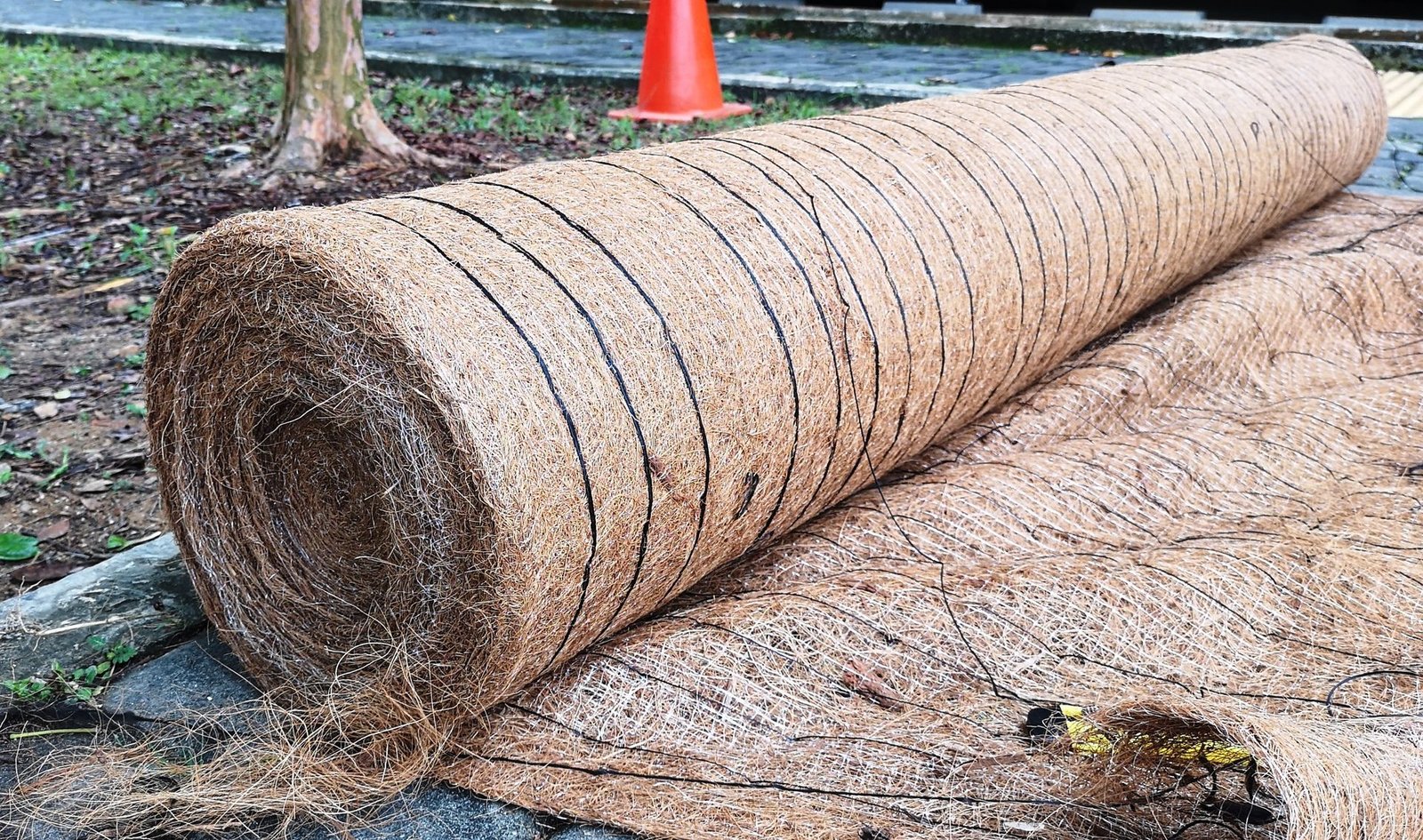
It almost never rains in Odessa, and that is the reason erosion control gets neglected. Then a thunderstorm drops half an inch in an hour on a bare, graded lot, and the silt runs off the pad into the street, the ditch and the neighbor's yard. The inspector who arrives the next morning is not interested in how rarely it rains.
Erosion and sediment control is the set of measures that keep soil on the site while the ground is disturbed: silt fence, rock filter dams, inlet protection, stabilized construction entrances, temporary seeding or mulch, and wetting of dust-prone surfaces. A stormwater pollution prevention plan, usually called a SWPPP, is the written plan that lays out where each measure goes, who inspects it and when it comes out.
We coordinate erosion control and SWPPP upkeep for concrete, utility and earthwork projects around Odessa, so the paperwork and the field conditions agree on the day an inspector walks the site.
Install first, remove last
The controls go in before the first scraper moves. A stabilized entrance, perimeter fence and inlet protection are the opening tasks, and they stay until the surface is stable, whether by pavement, building or vegetation. Taking them out early is the most common way to draw a notice.
Inspections follow a rhythm set by the plan, usually weekly and after a significant rain. We schedule them with the superintendent's calendar, record what was found and fix problems within a day or two. During long dry stretches the main work is dust, and a water truck on a regular route does more good than any fence.
Maintenance without injuries
Clearing sediment from a fence line or a basin puts workers in soft ground near equipment and sometimes near water. We keep crews out of ponded areas after storms until the footing is checked, mark overhead lines near basin work and use hand tools near utilities. Dust from bare ground is a health matter as well as a regulatory one, so we wet it and give crews masks when the air is thick.
Rock and sand for filter dams are heavy, and delivery trucks need clear lanes. Material is staged where the next storm will not wash it away.
Sediment cleanout is scheduled, not improvised. When a fence is half full of silt it stops working, so we clear it at the halfway mark, load the spoil onto a truck and take it to the stockpile area. Anything contaminated by oil or fuel from nearby equipment is handled separately and reported to the owner right away. The same planning covers a basin that fills with sediment before the pond is built, which is why we coordinate with detention and retention ponds and topsoil stockpiles in the schedule.
Permits and the plan on paper
Construction that disturbs an acre or more is covered by the state's construction stormwater general permit, and larger projects file a notice of intent with the state. Smaller projects still need controls and often the local permit office wants a plan with the grading submittal. The plan identifies each measure, its location and the person responsible for inspecting it.
Inspection reports, rain records and corrective actions are kept in the file on site. TxDOT's plan to turn about five miles of Loop 338 into a freeway with frontage roads and a 10-foot shared-use path, running between East Yukon Road and the north end of US 385, with three new overpasses, is the sort of public project that will bring its own stormwater plan, and private projects nearby will see neighboring controls and expectations.
Who needs a plan
Commercial developers and general contractors carry the permit and need field partners who maintain the controls without being chased. Municipal and public works owners require documented inspections as a condition of payment.
Industrial owners on operating sites need controls that fit around live traffic. A silt fence across a truck lane gets run over by morning, so the plan routes controls around the lane or protects them with berms.
How we keep a site compliant
We start with a walk of the drainage: where water leaves the lot, where it concentrates, where it meets a street. Controls are placed at those points first. We tie each measure to the schedule so it is installed before it is needed and not moved until it can be.
After each storm the field lead walks the perimeter, photographs conditions, replaces torn fence and clears inlets. Photographs and dates go into the log. If a problem keeps recurring in the same spot, we change the measure rather than repair it again.
Controls by building type
A warehouse site is large and flat, so the controls are mostly perimeter fence, entrance and a basin where the pond will go. A manufacturing plant expansion is smaller and tighter, with controls squeezed between live operations and new construction.
A school or clinic campus has the public watching. Controls there are neat, and dust control is tight, since families and patients are nearby.
Climate and soil in the Basin
Odessa has a hot semiarid climate with average annual precipitation of 12.28 inches, average snowfall of 0.9 inches and an all-time record high of 113 degrees F. Rain comes in short bursts onto hard, dry ground that sheds water quickly, so runoff is fast and the first flush carries a lot of soil.
Ward County is generally level at 2,400 to 2,800 feet, with active windblown sand dunes in its northern areas, and the same wind that moves dunes moves dust off a graded lot. In this market, controls for wind are as important as controls for water.
Where we maintain controls
We work across Odessa and out to nearby communities. Odessa-Schlemeyer Field, a general aviation airport about 5 miles northeast of Odessa at an elevation of 3,003.6 feet, shows how high and open the ground is in that direction, and sites there are exposed to wind from every side. The Ector County airport area is one example.
In Monahans, where the Permian Basin Generating Station began operating in 1948, and in the sandy ground toward Ward County, controls focus on sand and dust as much as on silt in rain.
Put the plan on the table before the dirt moves
Send the site plan and the grading schedule, and tell us who holds the permit. We will mark where controls go, set the inspection routine and give you a monthly maintenance price.
Common Questions
Does a small lot need a SWPPP?
Sites that disturb less than an acre may not fall under the state permit, but they still need controls to keep sediment out of the street, and the city may require a plan. We recommend a simple written plan for any project with open ground.
What do inspectors look for?
Whether controls match the plan, whether they are working and whether the log is current. Torn fence, full inlets, tracked mud on the street and bare slopes are the common findings. A clean log with photographs helps.
How do you control dust on windy days?
Water trucks on a set route, mulch or gravel on idle areas and limits on grading when gusts are strong. Dust control is part of the plan, and it is the control that gets used most in this climate.
Who removes the controls at the end?
We do, once the surface is stabilized and the engineer or inspector releases the site. Early removal can cause a violation, and late removal wastes money, so we confirm the release before pulling anything.
Can controls be reused?
Rock, stakes and some fabric can be reused if intact. Torn silt fence and clogged filter material are replaced. We note what is reused on the log.